Wi-Fi 8: Reliability First
Wi-Fi 8 doesn’t chase a new speed record – it makes the speed and capacity you already have dependable. The technology is designed to ensure every bit lands the first time.
What is Wi-Fi 8?
Wi-Fi 8 is the IEEE 802.11bn standard, built around one goal: Ultra High Reliability (UHR). Where past Wi-Fi generations chased peak speed, Wi-Fi 8 ensures that the link is dependable.
Wi-Fi 8 is not a standalone technology but the next step on Wi-Fi 7—carrying over features like 320 MHz channels, 4096-QAM, Multi-Link Operation and then adding the physical-layer engineering that makes the connection stable, predictable and resilient. This is especially important in crowded environments, at the edges of coverage, and under real world interference, where raw speed alone has always fallen short.

The missing pillar for the age of AI
Why Wi-Fi 8?
For AI to work seamlessly — from real-time agents and cloud inference to spatial computing — the wireless link underneath has to deliver on three things at once: speed, capacity and reliability. Two of those pillars are already standing. Wi-Fi 8 builds the third.
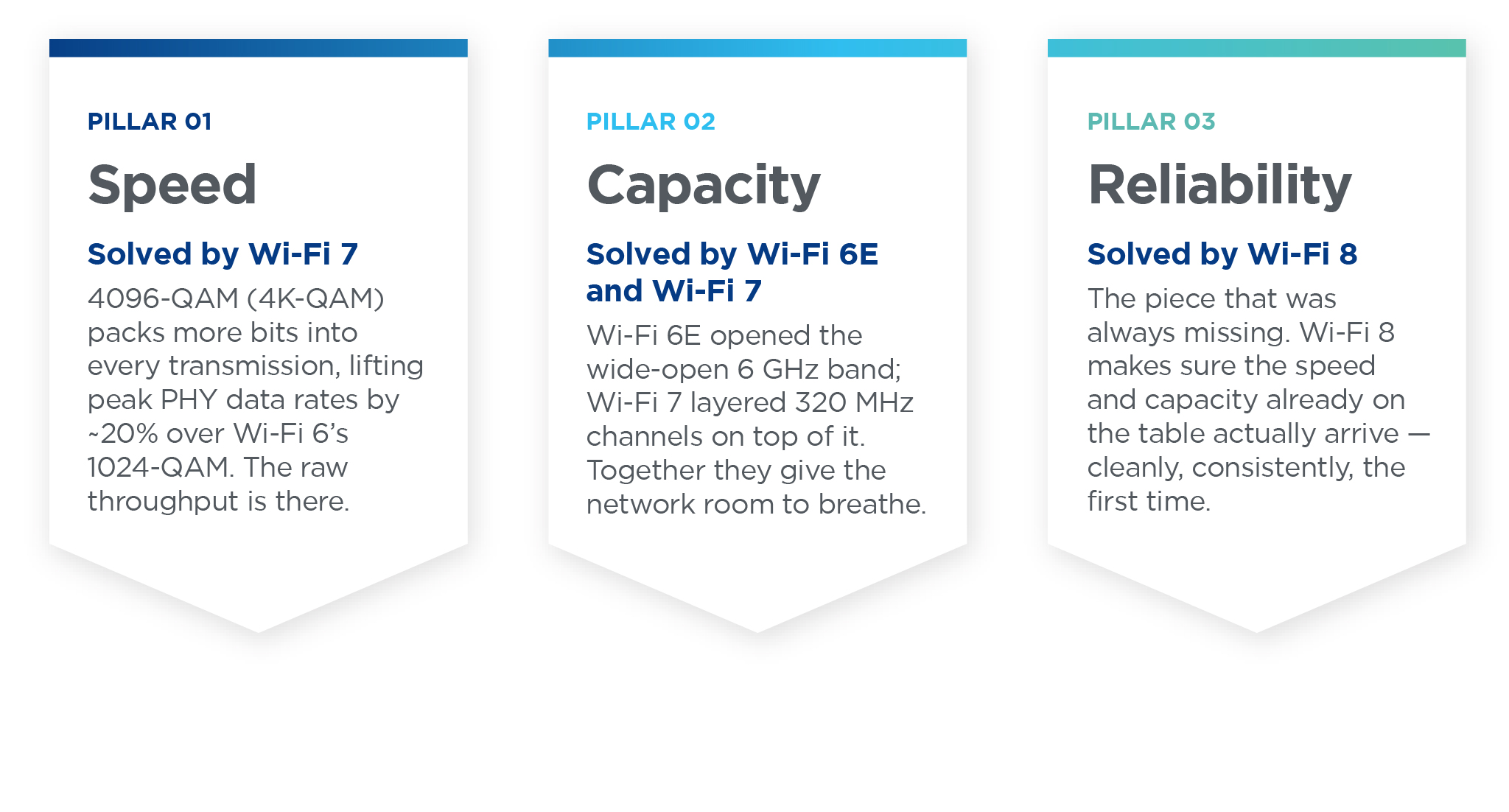
Because what good is data delivered at record speed if it has to be retransmitted every time the link glitches? A connection that’s fast on paper but stutters under load is the enemy of anything AI-driven. Wi-Fi 8 closes exactly that gap — turning fast-and-fragile into fast-and-dependable, so AI can run seamlessly on top of it.
Key Wi-Fi 8 physical-layer features
Wi-Fi 8 keeps Wi-Fi 7’s high-speed foundation and adds five PHY-layer tools – each designed to make those speeds reachable and repeatable in the real world.
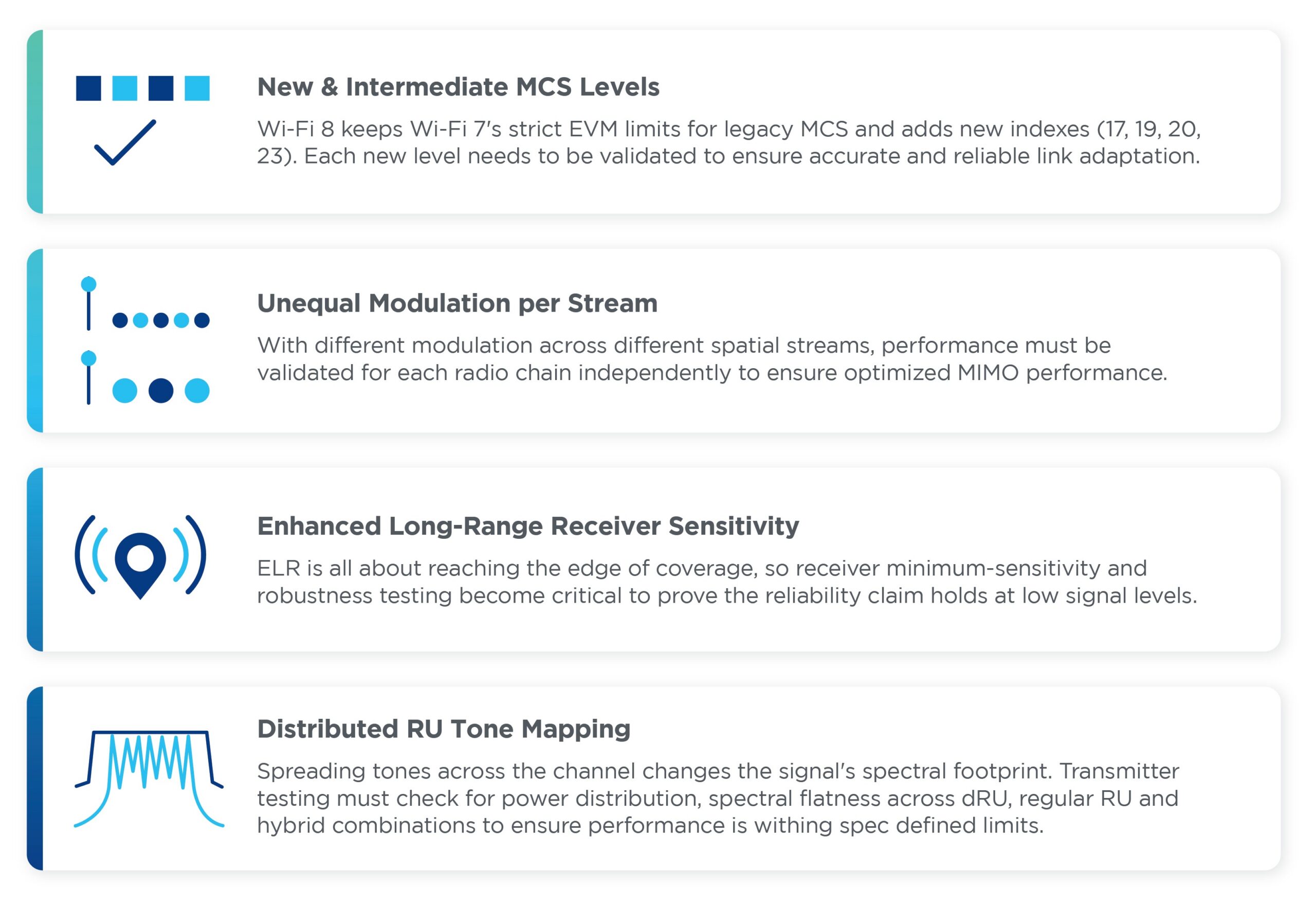
New MCS Rates
Smarter rate adaptation
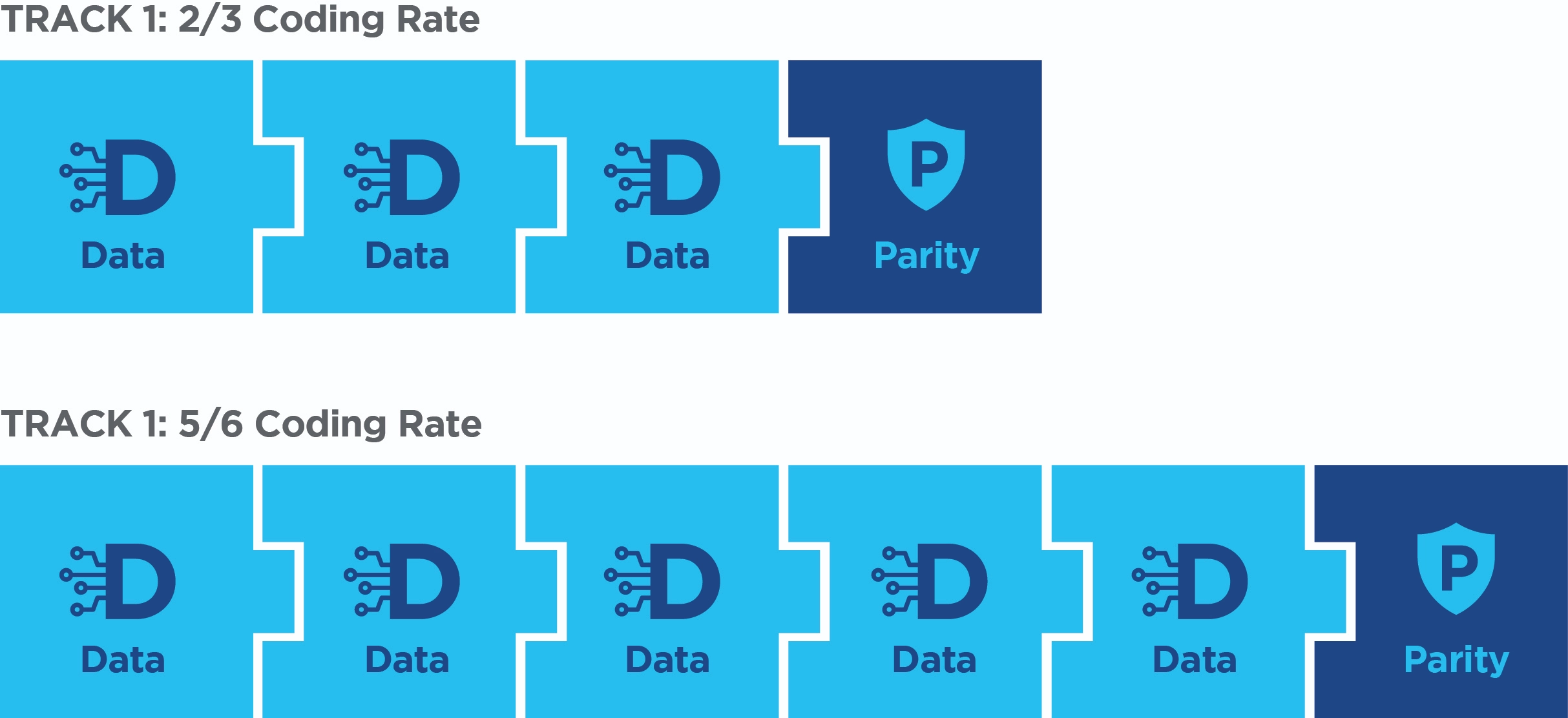
Wi-Fi 8 introduces new coding rates (MCS indices 17, 19, 20, and 23) that allow devices to adjust their data rates more precisely to match network conditions, ensuring a stable and reliable connection without abrupt jumps between speeds.
Unequal Modulation
Per-stream optimization
Each MIMO antenna stream adjusts its speed based on its signal quality, so a weak stream won’t slow down the entire connection. Strong streams stay fast, and weaker ones remain stable, improving overall efficiency.
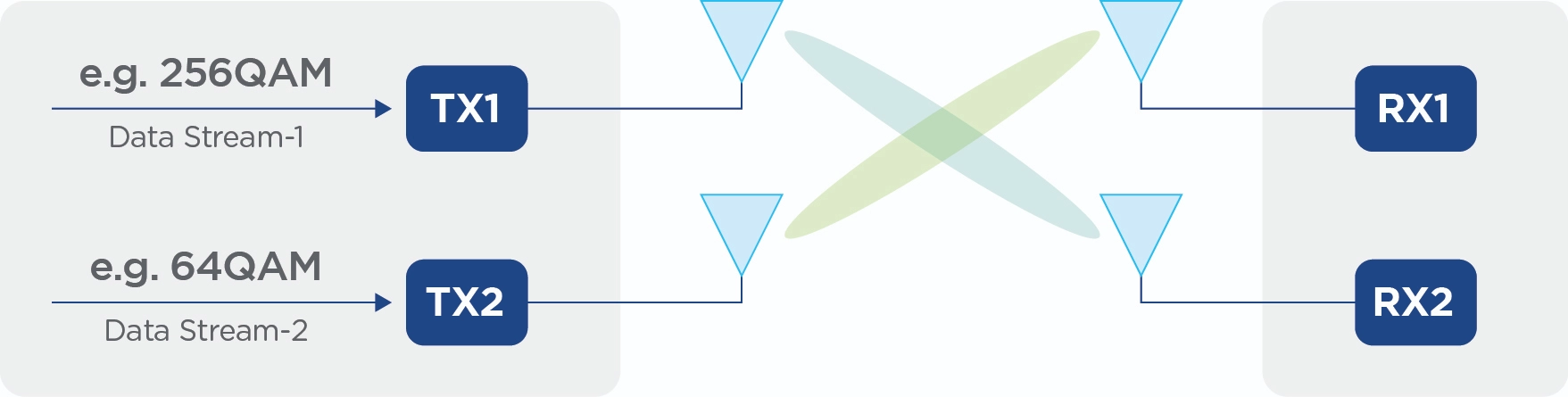
Tailoring modulation to the specific characteristics of each spatial stream
Assume stream-2 is experiencing poor SNR conditions
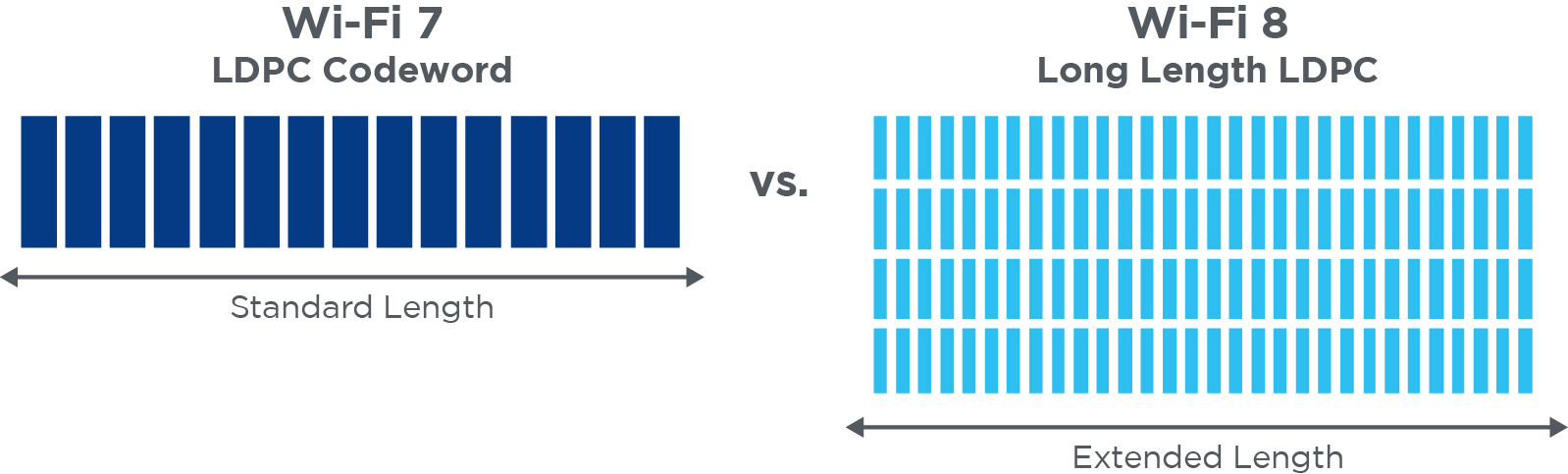
Long-Length LDPC Codes
Improved error correction
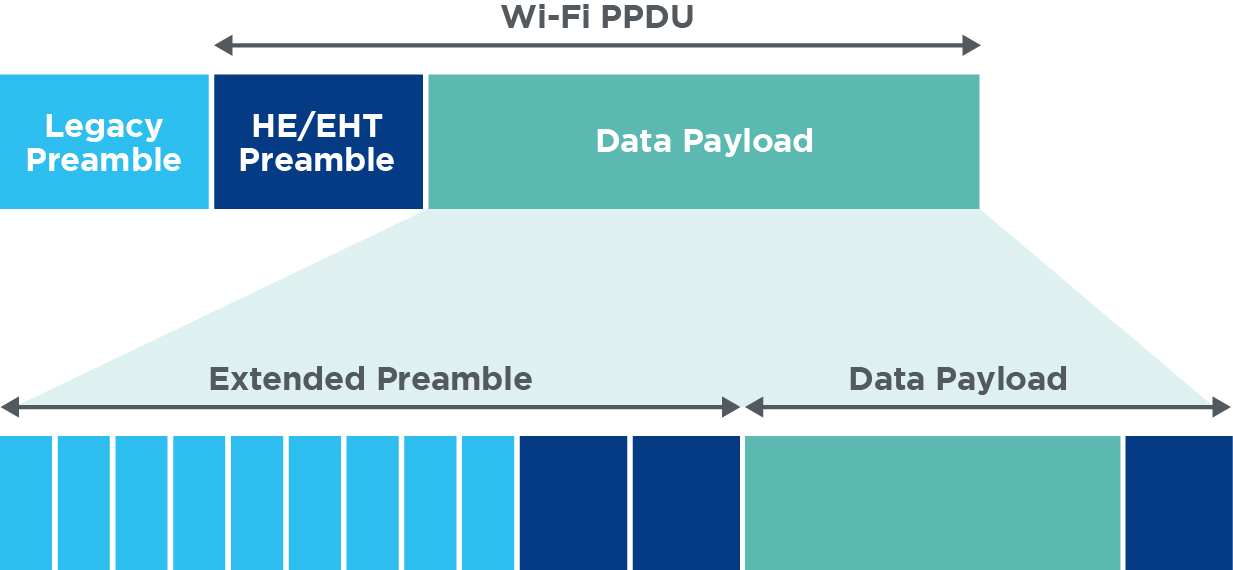
Uses longer error-correcting codewords that carry more redundancy, letting the receiver repair damaged data on the first attempt instead of triggering a retransmission — directly improving reliability.
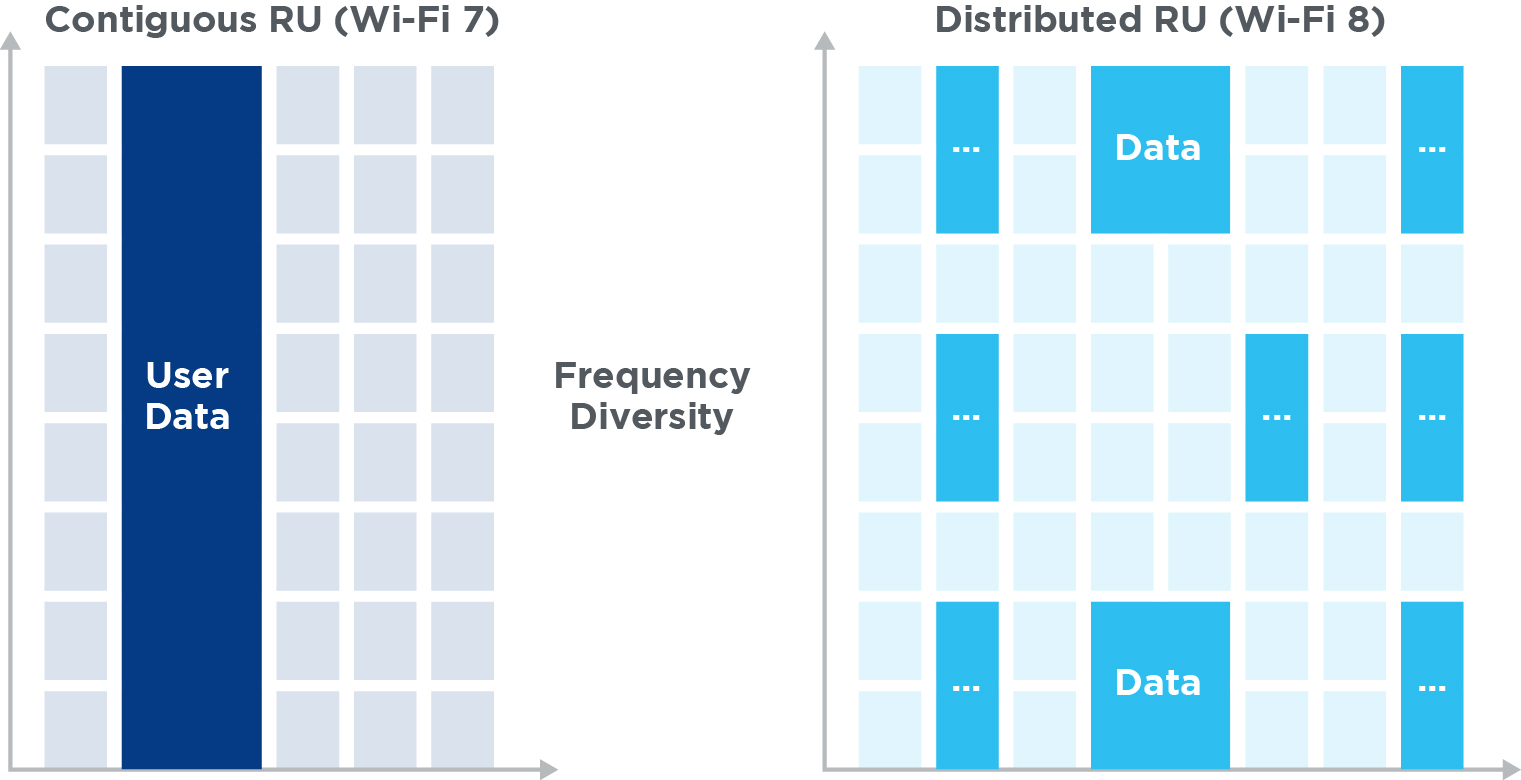
Distributed Resource Units (dRU)
Improved uplink range
Aimed at low power indoor 6 GHz devices that are limited by power spectral density (PSD) rules. Spreading the tones across a wider bandwidth lets the device raise its total transmit power without breaching limits – thus translating into improved uplink range.
Enhanced Long-Range (ELR) PPDU
Coverage at the edge
Sends packets using the most robust, lowest modulation rates combined with duplicated tones, making them extremely hard to misread — so the link holds at the far edges of coverage where signals are weakest.
How do you test Wi-Fi 8 devices?
Because Wi-Fi 8 is about reliability rather than a new speed ceiling, testing shifts toward precision – verifying that every new robustness feature behaves exactly as specified across real channel conditions.
Why LitePoint?
Ready to Test Your Wi-Fi 8 Devices?
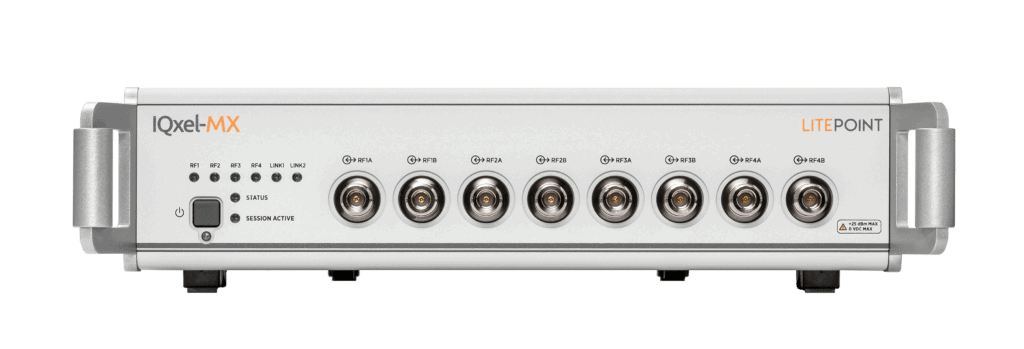
Discover how LitePoint’s IQxel MX can accelerate development, validation, and high volume production.
Performance
Single instrument for all your Wi-Fi testing needs. Industry leading EVM and MIMO measurement accuracy. Supports all UHR physical layer features.
Economics
Supports IQfact+ turnkey automation test tool for R&D through manufacturing test. Supports Multi-DUT test architecture that maximizes throughput and lowers cost of test.